
Top Emulators for Retro Gaming in 2024 | Comparison
The landscape of retro gaming has seen a monumental shift over the years, with emulators becoming the cornerstone for enthusiasts aiming to revisit the classics or uncover gems they missed. As we step into 2024, the array of available emulators can be overwhelming. This comprehensive guide is designed to navigate you through the best emulators for retro gaming, ensuring you can enjoy your favorite games with ease and reliability.
Understanding Emulators
Before diving into the rankings, it’s essential to grasp what emulators are and why they’ve become pivotal in the retro gaming community. Emulators are software that mimics the hardware of gaming consoles, allowing you to play games on devices other than the original consoles. This technology not only preserves the legacy of retro games but also makes them accessible without the need for the original hardware, which can be expensive or difficult to find.
The Criteria for Our Comparison
Evaluating the best emulators involves several criteria to ensure you get the most out of your gaming experience. These include:
- Compatibility: The range of games an emulator can run.
- Performance: How well games run, considering factors like frame rate and load times.
- Features: Additional functionalities such as save states, online multiplayer, and controller support.
- User Interface: The ease with which users can navigate and configure the emulator.
- Community Support: The availability of updates and user support.
Best Emulators for Retro Games in 2024
Let’s explore the top emulators that have stood out in 2024, each excelling in various aspects to cater to different gaming preferences.
RetroArch: The All-in-One Solution
RetroArch isn’t just an emulator; it’s a robust front-end for running multiple emulators (cores) through a single interface. Its versatility is unmatched, supporting a vast array of systems from classic consoles like the NES, SNES, and Genesis to more recent platforms such as the PlayStation 1 and Nintendo 64.
- Key Features: Unified interface, extensive compatibility, cross-platform support.
- Why It Stands Out: RetroArch offers an unparalleled variety of games and systems, making it a one-stop-shop for retro gaming enthusiasts.
Dolphin: Master of GameCube and Wii
Dolphin is renowned for its exceptional emulation of GameCube and Wii games, offering enhancements that the original consoles couldn’t, like HD graphics and support for modern controllers.
- Key Features: High-definition graphics, robust controller support, online multiplayer.
- Why It Stands Out: Dolphin not only runs games well but also enhances them, providing a superior gaming experience.
PCSX2: The PlayStation 2 Powerhouse
When it comes to PlayStation 2 emulation, PCSX2 is the gold standard. It offers extensive compatibility, covering a wide range of PS2 titles, and allows for graphical enhancements that breathe new life into old games.
- Key Features: Wide game compatibility, graphical enhancements, controller support.
- Why It Stands Out: PCSX2 enables you to enjoy a vast library of PS2 games with improved graphics on your PC.

SNES9x: Super Nintendo Entertainment at Its Best
For those looking to dive back into the era of the Super Nintendo, SNES9x offers an easy-to-use platform that runs efficiently on most hardware, ensuring your nostalgia trip is smooth and enjoyable.
- Key Features: High compatibility with SNES games, low hardware requirements, user-friendly interface.
- Why It Stands Out: SNES9x is perfect for quickly jumping into your favorite SNES titles without fuss.
MAME: The Arcade Time Machine
MAME (Multiple Arcade Machine Emulator) is the go-to emulator for arcade game enthusiasts. It’s designed to preserve the history of arcade games, emulating a vast number of arcade machines and games with great accuracy.
- Key Features: Supports thousands of arcade titles, aims for accurate emulation, community-driven updates.
- Why It Stands Out: MAME offers a way to experience arcade classics authentically, many of which would be otherwise inaccessible.
Enhancing Your Retro Gaming Experience
While choosing the right emulator is crucial, enhancing your retro gaming experience doesn’t stop there. Here are some tips to maximize your enjoyment:
- Invest in a Quality Controller: Many retro games were designed with specific controllers in mind. Using a similar layout can greatly enhance your experience.
- Explore Modding Communities: Many emulators support mods that can add new features, improve graphics, or even create new games.
- Join Online Communities: Engaging with other retro gaming enthusiasts can enhance your experience, providing game recommendations, technical support, and opportunities for online multiplayer sessions.
Retro gaming in 2024 has never been more accessible or enjoyable, thanks to the advancements in emulation technology. Whether you’re revisiting cherished classics or exploring games you missed, the emulators mentioned in this guide offer a gateway into the rich history of video gaming. With the right setup and emulator, the entire library of retro games is at your fingertips, ready to be discovered or re-discovered. Happy gaming!
Continuing our deep dive into the world of retro game emulation, let’s further explore the elements that elevate the gaming experience, focusing on customization, compatibility, and community engagement. Emulators not only revive classic games but also offer a canvas for creativity and innovation, bringing a modern twist to nostalgic experiences.
Customization: Tailoring Your Gaming Experience
One of the most appealing aspects of using emulators is the extensive customization options they offer. From visual enhancements like upscaling graphics and adding shaders to tweaking audio settings for a more immersive experience, customization allows gamers to experience retro games in ways that were unimaginable on the original hardware.
Visual Enhancements
- Shaders and Filters: Many emulators allow the use of shaders and filters to replicate the look of CRT monitors or enhance the graphics to make them more palatable on modern high-definition displays.
- Resolution Upscaling: Some emulators, particularly those for later console generations like Dolphin for GameCube and Wii, enable games to be played at resolutions much higher than the original consoles could output, making for sharper and clearer images.
Audio Improvements
- Sound Emulation: Advanced emulation techniques can also enhance or accurately replicate the sound of the original hardware, providing a more authentic or improved audio experience.
- Custom Soundtracks: Certain emulators allow for the customization of soundtracks, enabling gamers to add their personal touch to the gaming experience.
Compatibility: The Key to Preserving Gaming History
Compatibility remains a critical factor when evaluating emulators. The goal is not just to play the most popular titles but to ensure that even the most obscure or less mainstream games are preserved and playable. This commitment to compatibility is what truly sets apart the best emulators.
- Extensive Game Libraries: Emulators that support a wide range of game libraries allow gamers to explore vast collections, from blockbuster hits to niche titles that are no longer accessible on their original platforms.
- Region-Free Gaming: Emulation breaks down barriers imposed by regional lockouts, enabling players to experience games from all over the world without needing to modify original hardware.
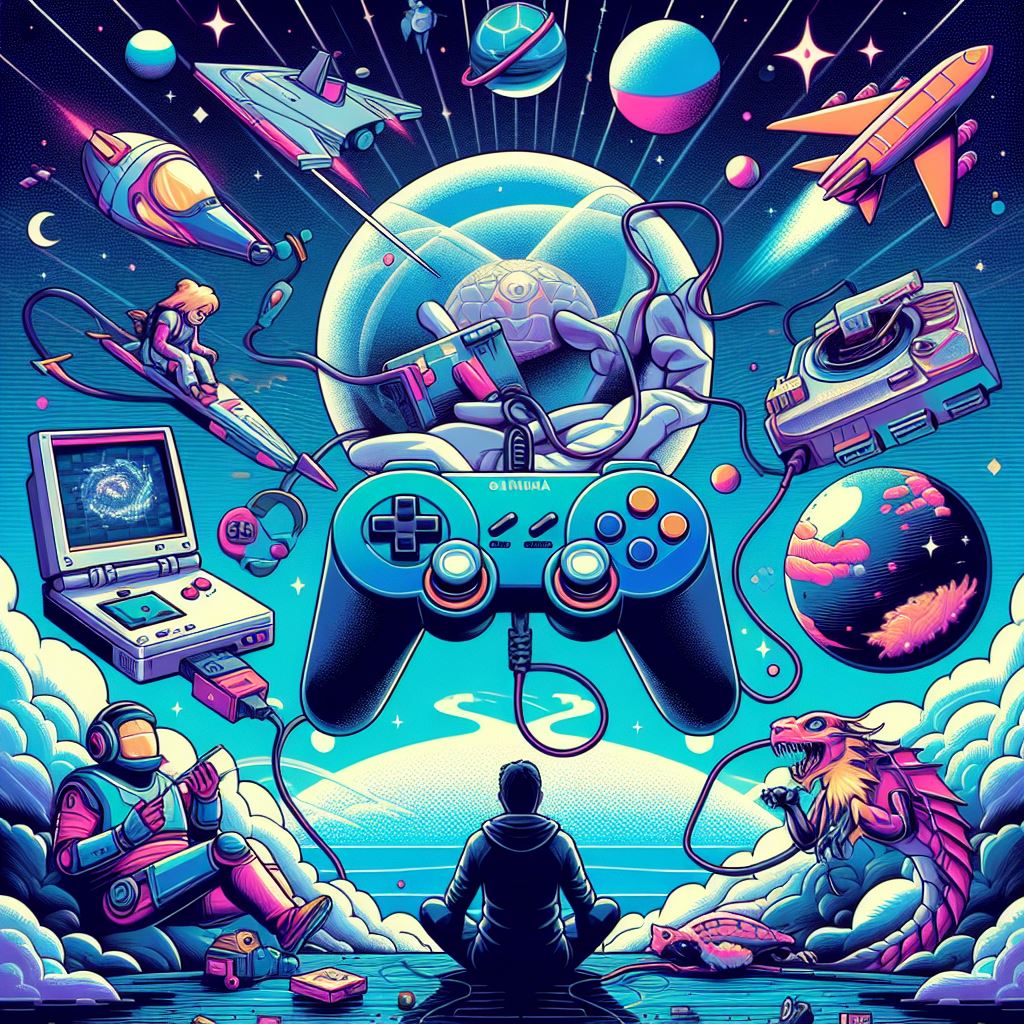
Community Engagement: The Heart of Emulation
The emulation community plays a pivotal role in the development, maintenance, and enhancement of emulators. This vibrant community contributes by developing new features, offering technical support, and preserving the history of video games.
- Open Source Development: Many emulators are open source, meaning that anyone with the necessary skills can contribute to their development. This collaborative approach accelerates improvements and innovations.
- Preservation Efforts: Beyond playing games, the community is deeply involved in preserving them. This includes documenting every game’s existence, ensuring that even the risk of digital obsolescence doesn’t erase gaming history.
- Technical Support and Tutorials: Newcomers to emulation can rely on community forums, guides, and tutorials to set up their emulators, troubleshoot issues, and share tips for optimizing performance.
Looking Ahead: The Future of Emulation
As we look towards the future, the potential for emulation continues to grow. With advancements in hardware and software, emulators are beginning to embrace newer console generations, bringing more recent games into the emulation fold. Additionally, the push towards mobile emulation highlights the desire for portable retro gaming experiences, making classic games more accessible than ever.
Innovation in emulation is not just about preserving the past; it’s about redefining the future of gaming. By breaking down the barriers of hardware limitations and regional restrictions, emulators are setting the stage for a global gaming culture that celebrates the rich history of video games while looking forward to new possibilities.
As we conclude our exploration of the best emulators for retro games in 2024, it’s clear that the world of emulation extends far beyond simply playing old games. It encompasses a dynamic ecosystem that involves technological innovation, community collaboration, and a deep respect for the history and legacy of video gaming. The final aspect of our journey focuses on the ethical considerations, the challenges faced by the emulation community, and a glimpse into the future possibilities that emulation might unlock.
Ethical Considerations and Legal Landscape
The topic of emulation often brings with it discussions around legality and ethics. While emulation itself is legal, the distribution of copyrighted game ROMs without permission is not. This legal and ethical gray area requires users to navigate carefully, emphasizing the importance of using emulators to play games they already own or that fall into the public domain.
- Preservation vs. Piracy: The emulation community largely advocates for the use of emulators as a means of preserving video games, especially those that are no longer commercially available or at risk of being lost to time.
- Supporting Developers: When possible, purchasing re-releases or original copies of games can be a way to support the developers and publishers who created these beloved classics.
The 10 Best Play-to-Earn (P2E) Games to Play in 2026
Best GameFi Exchange 2026: Binance vs. Coinbase vs. Bybit

Resident Evil 9: Release Date, Leaked Trailer & New Story Details

Top 5 Open-World Games in 2025: Explore Endless Possibilities

Earning Money by Playing: Best NFT Games of the Year

Latest News in the World of Blockchain Gaming

Getting Started in Decentraland: Tips and Tricks for Beginners
Challenges Facing the Emulation Community
Despite the positive aspects of emulation, the community faces ongoing challenges. Legal pressures from game publishers, the technical difficulties of accurately emulating more recent consoles, and the need for continuous development to keep up with operating system updates are just a few hurdles.
- Accuracy vs. Performance: Achieving accurate emulation of certain systems, especially those with complex or unique hardware, can be challenging without sacrificing performance on less powerful devices.
- Sustainability: Ensuring that emulators remain updated and compatible with new hardware and operating systems requires ongoing effort and resources, often relying on volunteer developers.
The Future of Emulation
Looking forward, the future of emulation is ripe with potential. Advances in computing power, the development of new emulation techniques, and the growing emphasis on game preservation suggest that emulators will continue to play a crucial role in the gaming landscape.
- Virtual Reality and Augmented Reality: The integration of VR and AR technologies with emulation could offer immersive ways to experience classic games, adding a new dimension to retro gaming.
- AI and Machine Learning: AI technologies could further enhance emulation by improving game compatibility, automating the optimization of settings for performance, and even translating games into different languages in real-time.
- Cloud-Based Emulation: Cloud computing could allow for high-quality emulation of more resource-intensive games on less powerful devices, making it easier to access and play games from any location.
Emulation as a Gateway to Gaming’s Future
Emulation not only preserves the past but also paves the way for future innovations in gaming. It democratizes access to video games, breaking down barriers related to obsolete hardware and geographical restrictions. As we move forward, the principles of emulation—accessibility, preservation, and community collaboration—could inform the development of new gaming technologies and platforms.
The emulation of retro games in 2024 represents a vibrant and evolving field that is as much about honoring the legacy of video gaming as it is about shaping its future. By supporting the emulation community and respecting the legal and ethical frameworks, gamers and developers alike can ensure that the rich tapestry of video game history remains alive and accessible for generations to come. As we reflect on the advancements and potential of emulation, it’s clear that the journey through the pixelated landscapes of the past is just the beginning of what promises to be an exciting voyage into the future of gaming.